
Back to Stories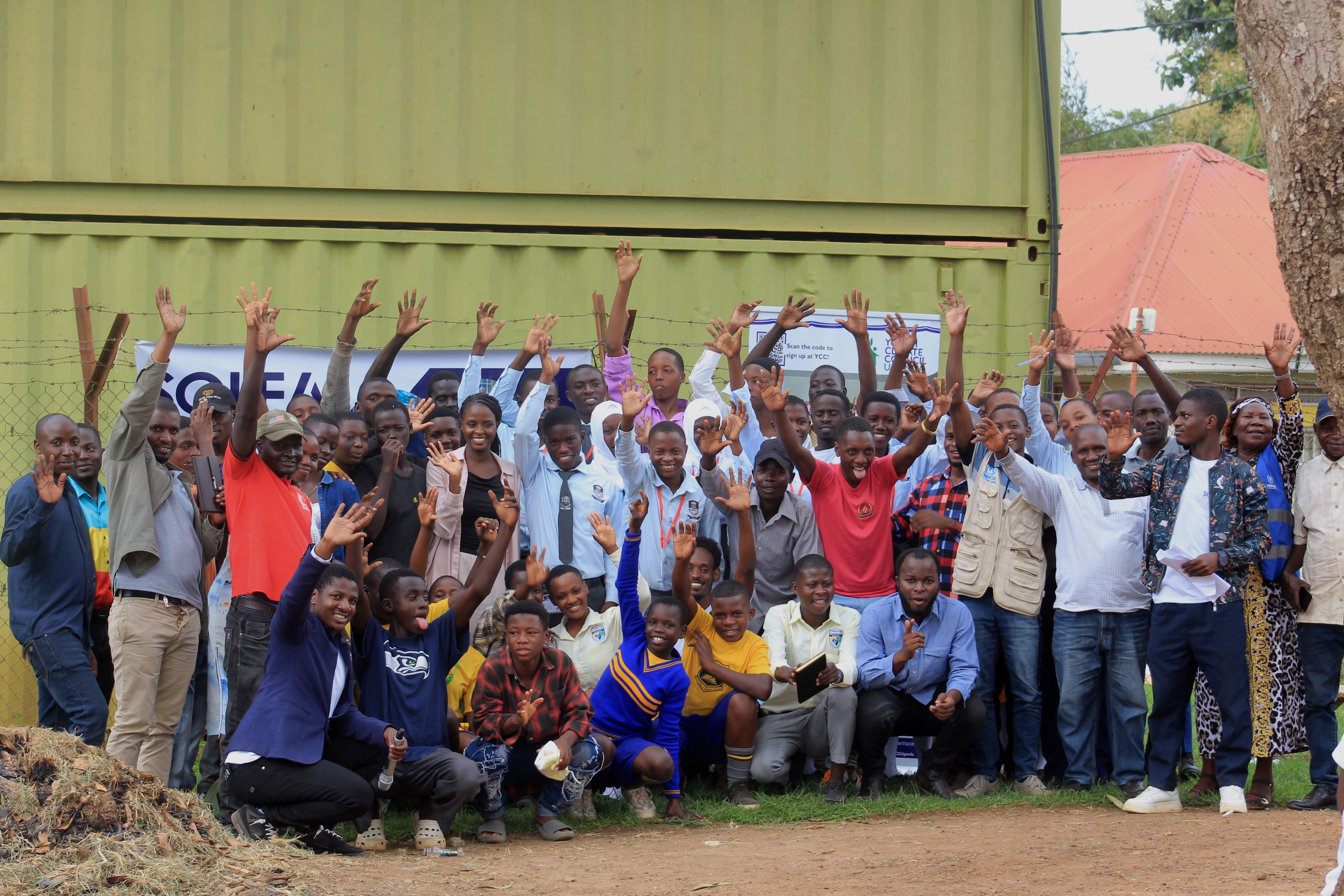
Policy
Youth Climate Council (YCC) Regional Consultation – Kyangwali
Brought together refugee youth leaders, local changemakers, and national stakeholders. Discussed climate challenges and developed local, youth-led solutions. Participants contributed to shaping Uganda’s national climate policy. Empowered refugee youth to participate meaningfully in national climate strategy development.
Date: 5th June 2025
Location: Kyangwali Refugee Settlement
Event Type: Youth Climate Policy Consultation
Theme: Youth Leadership in Climate Policy
- The Youth Climate Council (YCC) Regional Consultation in Kyangwali was a groundbreaking event that opened the doors for refugee youth to directly influence national climate discourse. Organized by SOLFA on June 5th, 2025, this event created a unique platform where young people from marginalized communities could share their lived experiences and propose realistic climate solutions. Attendees included youth leaders, educators, policymakers, and environmental stakeholders. Central to the dialogue was the exploration of how climate change disproportionately affects displaced populations—especially youth who often bear the consequences without having a seat at decision-making tables. Through engaging workshops, idea labs, and policy roundtables, participants presented tangible ideas on adaptation, green job creation, and the need for localized environmental education. For many, this was their first encounter with national representatives, and the opportunity fueled hope and determination. It empowered refugee youth to see themselves as vital contributors to Uganda’s climate future. Beyond dialogue, the event laid the foundation for ongoing collaboration. Some of the youth delegates were selected to join national YCC teams, and their proposals were compiled into a youth climate position paper submitted to Uganda’s Ministry of Water and Environment. This event sent a strong message: that inclusive policymaking not only leads to better outcomes but also ensures justice for communities often left behind. It proved that young people—when provided space and support—can lead the charge in building resilient, sustainable futures.